
Getting to know the bats of One Horton Heath
Following our recent wildlife update at One Horton Heath, several bat species have been recorded across the site. These nocturnal animals play an important role in the local ecosystem and are a positive sign of a healthy natural environment.
Species recorded across the site include the Brown Long-eared Bat, which use the site’s green spaces, woodland and water features for feeding and roosting.
What do bats eat?
Bats in the UK are insectivores, meaning they feed entirely on insects. A single bat can eat thousands of insects in one night, helping naturally control insect populations.
Different species have slightly different hunting habits. Pipistrelle bats often catch small flying insects such as midges and mosquitoes, while brown long eared bats hunt more slowly and can pick insects like moths and beetles from leaves.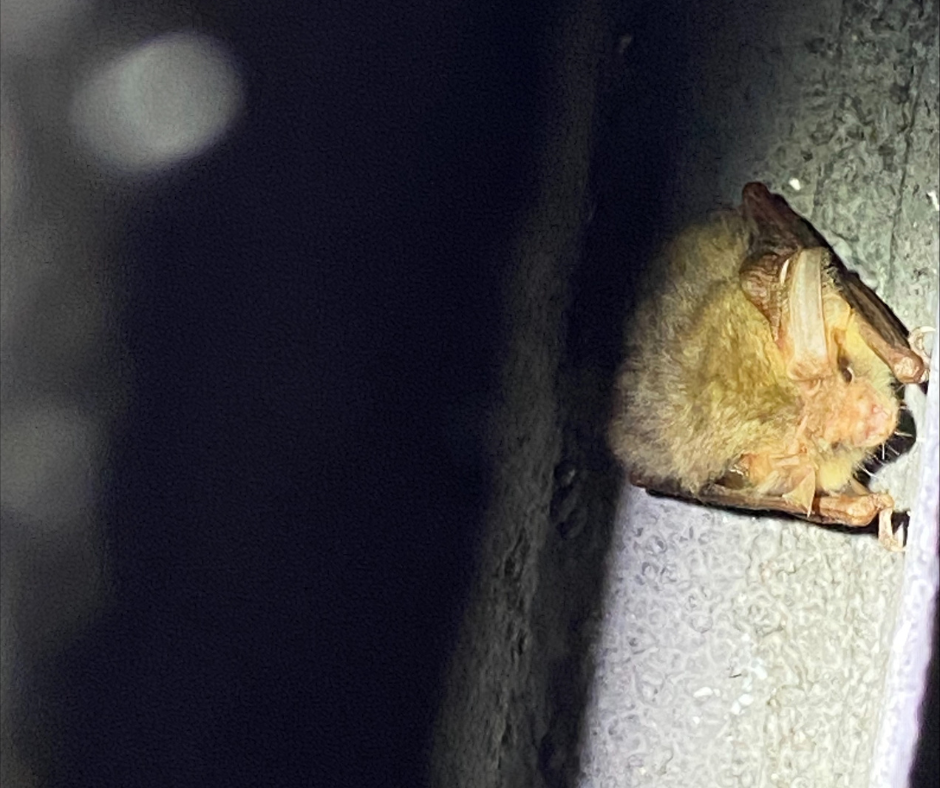
Where do bats live?
Bats spend their days resting in roosts, which provide shelter and protection. These can be found in trees, buildings or specially designed bat boxes.
At One Horton Heath, a number of bat features have been incorporated into the landscape, including the Chalcroft Bat House, internal and external bat roosting spaces, and specially installed bat boxes. These features provide safe places for bats to rest, breed and raise their young.
Maternity roosts, such as the one recorded onsite, are particularly important. Female bats gather together during the summer to give birth and raise their pups, meaning suitable roosting spaces are essential for the survival of local bat populations.
Why bats matter.
Bats are a key indicator of a healthy environment. Because they are sensitive to changes in habitat, their presence often reflects good biodiversity and well managed green spaces.
By feeding on insects, bats also play a natural role in pest control and help maintain balance in local ecosystems.
How you can help protect bats.
There are several simple ways residents and communities can help support bats:
Plant wildlife friendly gardens
Wildflowers, night scented plants and native shrubs attract insects, providing food for bats.
Reduce artificial lighting
Bright lights can disrupt bat feeding routes. Using softer lighting or motion sensors can help minimise disturbance.
Protect roosting spaces
Bats and their roosts are legally protected in the UK, so it is important not to disturb roosting sites.
Install bat boxes
Bat boxes can provide additional safe roosting spaces, particularly in gardens near trees, ponds or green corridors.
Living alongside wildlife
At One Horton Heath, wildlife is an important part of the landscape. As habitats mature and green corridors continue to develop, species such as bats will continue to play an important role in the local environment.